


Your shopping cart is currently empty.
Is It My Kid or the Instrument? Why Beginning String Players Struggle
Knowing the difference between normal learning and a setup issue helps you help your child.
Quick answer: Many beginner orchestra students sound uneven at first, and that is usually part of normal early skill development. But sometimes a small mechanical or setup issue, such as a slipping peg, a leaning bridge, a bow that needs rehairing, or worn strings, can make playing harder than it should be. Knowing what is normal and when to have the instrument checked helps families support students early.
At some point in the first semester, nearly every parent hears it: “That doesn’t sound right.” “It was better last week.” “I can’t get it to work.” In most cases, what you’re hearing is a normal part of learning. And when it’s not, the issue is usually small and fixable.
Why this happens
Your child is building bow control, left-hand finger placement, posture, note reading, and rhythm all at the same time. Beginner playing can sound uneven — one day strong, the next rough. String instruments also rely on small setup details: bow hair wears, pegs slip with humidity, strings shift, bridges can lean, rosin builds up or runs low. When something small changes, the sound can change too, sometimes overnight.
What’s usually normal
- Scratchy or airy tone
- Pitches that wobble or land flat
- Bow that bounces when they don’t want it to
- Sound that cuts out when the bow runs out
- Good days and bad days
Fatigue is normal too. Left-hand fingers get sore and bow arms get tired. A young cellist may sound steady for ten minutes and then fall apart because the bow hand has tightened up.
When it might be the instrument
- A bow that will not hold rosin
- Pegs that slip and will not hold tuning
- A bridge that has shifted, leaned, or fallen
- Fine tuners that are stripped or fully bottomed out
- A string fraying near the bridge or nut
- Something loose after a drop
These are usually small, fixable issues. If the sound changes suddenly, or your child says it feels harder than it did last week, that is worth a quick look.
A simple at-home check
You do not need tools. Ask: Did the sound change suddenly? Does it feel harder to play recently? Is the bridge standing straight, not leaning? Are there visible cracks, frayed strings, or loose parts? Does the bow hair look thin, dirty, or shiny? If you see any of those, bring the instrument in.
Just as important, avoid trying to fix it yourself. Please do not reset a fallen bridge without help, force a stuck peg, overtighten the bow hair, or apply random oils. A leaning bridge pushed back the wrong way can warp permanently. A trained technician can usually identify and fix simple issues quickly.
Why checking early matters
When the instrument works the way it should, your child can focus on playing. When it doesn’t, frustration builds and can turn into “I’m bad at this.” A peg adjustment, a bow rehair, a bridge straightening, or fresh rosin can completely change how the instrument responds.
Get the Free First-Year Orchestra Parent GuideFree one-page PDF · about a minute to readFrequently Asked Questions
Is it normal for beginner string instruments to sound rough at first?
Yes. Most first-year students sound uneven while they build bow control, intonation, and finger strength.
How do I know if something is broken?
Sudden sound changes, a leaning bridge, slipping pegs, or visible damage are good reasons to have it checked.
Should I try to fix it myself?
No. Avoid resetting bridges, forcing pegs, or adjusting internal parts unless you have been shown how. String instruments are setup-sensitive.
How often should instruments be checked?
Once or twice a year for maintenance, plus any time something feels off. Seasonal humidity changes are a common reason for a check-in.
What if everything looks fine but it still sounds rough?
That is often part of learning. Ask the director before assuming something is wrong.
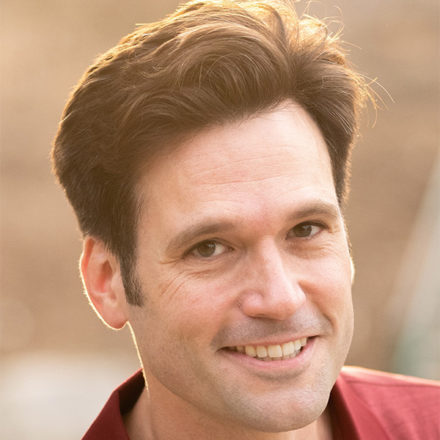
Don Stinson
Band Director, Joliet Central High School (IL)
Don Stinson teaches band at Joliet Central High School in Illinois. With more than 20 years of experience working with music students, he was named a Yamaha “40 Under 40” educator and is the author of books on helping school music programs succeed. He writes about practical ways families and schools can support students in music.